Maine · New Hampshire · Vermont · upstate New York
Heating With Oil and Propane, Up North
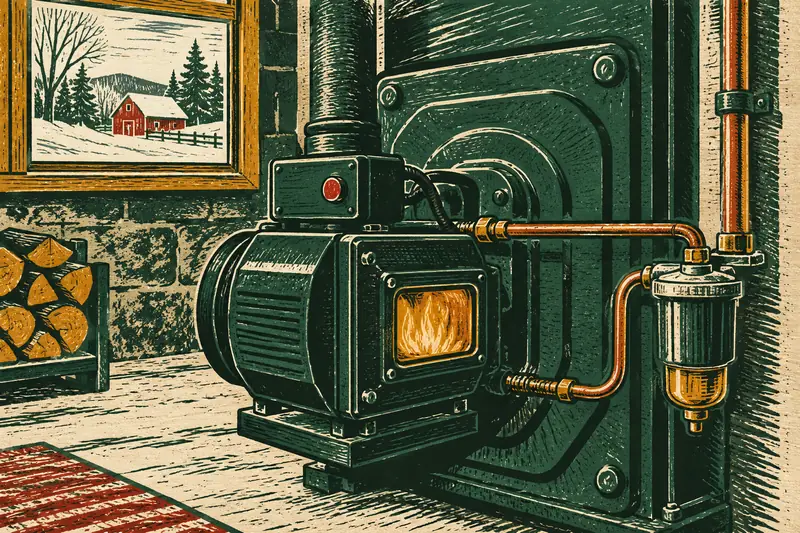
- OilHeating oil folder
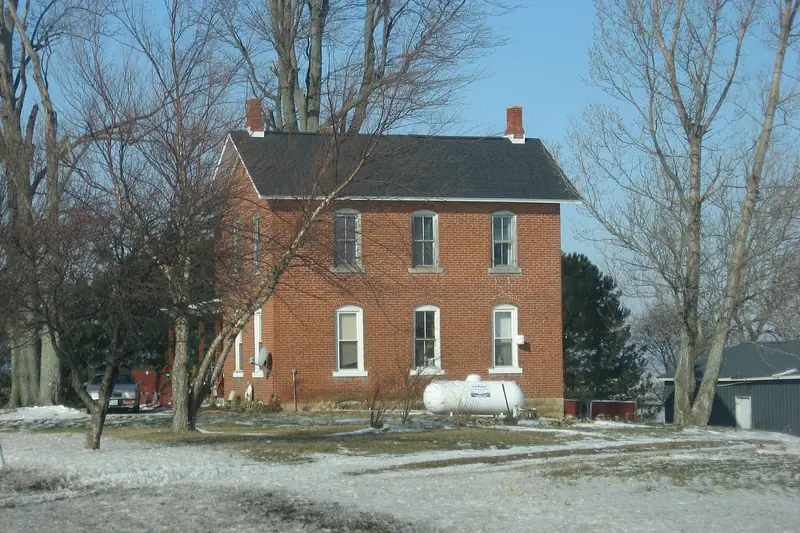
- PropanePropane folder
- TanksTanks and gauges folder
- SwitchingSwitching and backup folder
Smell gas or hear a CO alarm? Get out first, then call 911
Heating with oil and propane is how most homes in Maine, New Hampshire and Vermont get through winter; Fill Pipe explains the fuel, the tank, the delivery contract, the safety steps and the heat pump question.
Written by the Fill Pipe desk from state, federal and maker documents · how the pages are made · Updated
Cord 4
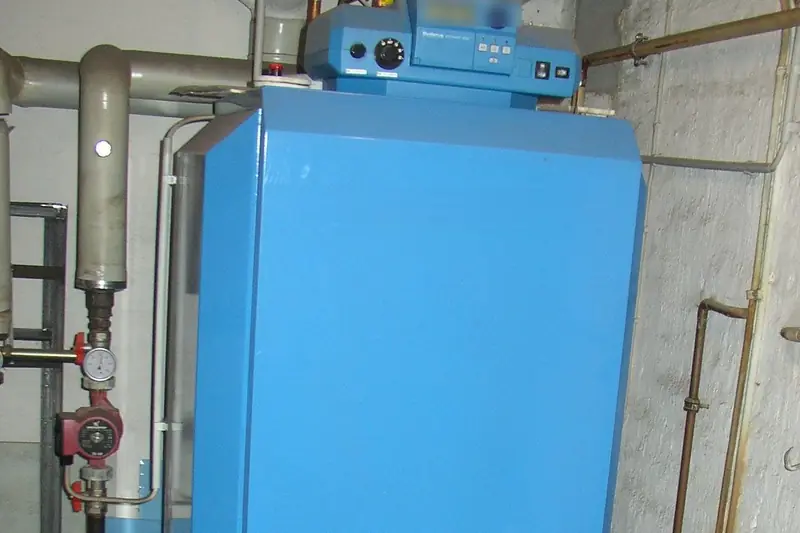
Switching and backup
Oil vs propane by the million Btu, cold-climate heat pumps, backup heat, rebates.

First tap of the season
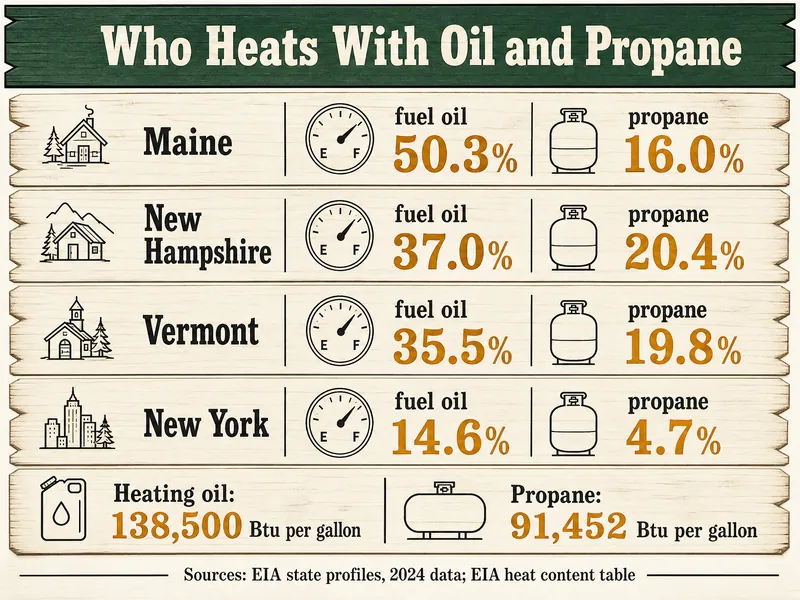
- Fuel oil and propane together are the main heat for 66.3% of Maine households, 57.4% in New Hampshire and 55.3% in Vermont (2024 data, EIA).
- EIA's survey dated October 26, 2026 put residential heating oil at $6.040 to $6.441 a gallon and propane at $3.679 to $3.930 across Maine, New Hampshire, Vermont and New York, excluding taxes.
- EIA rates heating oil at 138,500 Btu per gallon and propane at 91,452, and Fill Pipe's own arithmetic uses those two numbers unless a page quotes an agency's table.
- If you smell propane, get everyone out first and call 911 and your propane supplier from well away; after a propane run-out, PERC's booklet leaves the restart to a qualified professional who leak-checks first.
- Vermont's tank rules, in force since August 1, 2024, call for an oil tank inspection once every four years or sooner.
- IRS guidance says the 25C and 25D credits stopped for work after December 31, 2025.
Get out first if
- You smell propane or gas, hear hissing, or a gas alarm sounds: everyone out now, no light switches, phones, flames or appliances inside, and don't look for the leak.
- From outside and well away, call 911, then your propane supplier; stay out until they say it's safe.
- The CO alarm sounds or anyone has a headache, dizziness, nausea or confusion: everyone outside to fresh air, then call 911 from outside.
- Smoke fills the basement or soot puffs from the oil burner: turn nothing on, get out and call 911.
- If you're unsure, stop and call your supplier or a licensed technician.
What does heating with oil and propane cost up north?
Heating with oil and propane costs whatever the market says that week, because no state sets them; in New Hampshire's words, retail prices for deliverable fuels are "determined by the free market." EIA's Heating Oil and Propane Update for the week of October 26, 2026 put residential heating oil at $6.040 a gallon in Maine, $6.068 in New Hampshire, $6.095 in Vermont and $6.441 in New York, with propane at $3.679, $3.904, $3.930 and $3.794.
A gallon of each fuel holds different heat, so per-gallon prices don't compare directly. EIA's heat content table puts heating oil at 138,500 Btu a gallon and propane at 91,452. New Hampshire's Department of Energy does the arithmetic in its fuel price table: on October 26, 2026 it showed fuel oil at $54.47 and propane at $57.07 per million Btu, both at an assumed 80% efficiency.
Each state also runs its own survey, and Fill Pipe quotes them one at a time, never mixed. The heating oil vs propane comparison shows the math with every input dated, and the heating oil and propane sections cover how each fuel is sold.
| Fuel | Heat per unit | Maine DOER price, Oct 19, 2026 | Where it's stored |
|---|---|---|---|
| Heating oil (No. 2) | 138,500 Btu per gallon | $6.04 a gallon | Steel tank, commonly 275 gallons; newer ones are plastic inside a steel shell |
| Kerosene | 135,000 Btu per gallon | $6.99 a gallon | An oil tank; ASTM says the lighter No. 1 grades suit low-temperature storage |
| Propane | 91,452 Btu per gallon | $3.52 a gallon | Pressure tank outside, commonly 120 to 1,000 gallons water capacity |
| Electricity (heat pump) | 3,412 Btu per kWh | Not in this survey | Nothing stored; it comes over the wires |
What is your tank telling you?
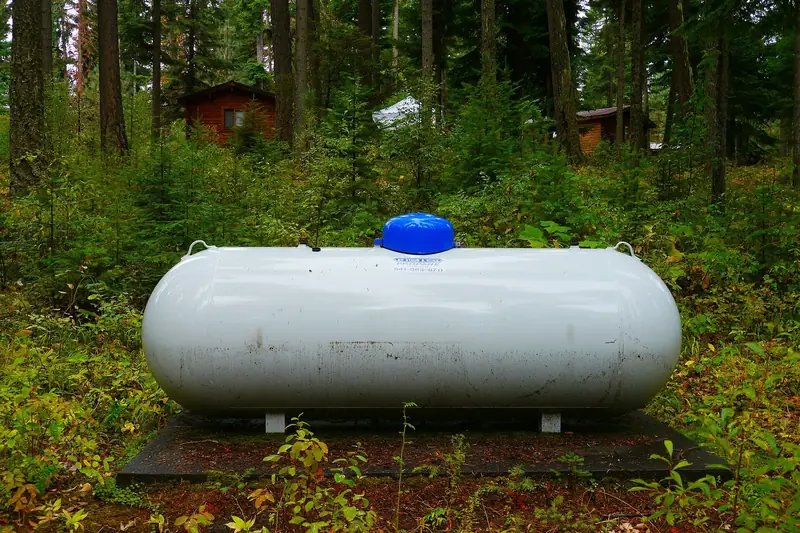
Your tank tells you how much fuel is left, how old the tank is and whether it's due for a look, and the rules for each differ by fuel and state. On propane, the dial shows a percentage of capacity rather than gallons; a PERC lesson says a reading of 30 means 30 percent is left. A full fill stops near 80%, leaving space for expansion on warm days, per PERC.
Oil tanks age. Maine DEP suggests planning a replacement after 20 years and replacing a steel tank as it approaches 25. Vermont's rules set a four-year maximum between oil tank inspections, and a red-tagged tank can't take deliveries. New Hampshire's home heating oil tanks are exempt from the state's aboveground tank rules. The tanks and gauges section covers each, starting with reading a propane tank gauge and the 275-gallon oil tank.
What should you do if you smell gas or oil?
If you smell propane, leave first and call from outside: get everyone out, touch no switches, phones or appliances on the way, and from well away call 911, then your propane supplier. PERC's safety booklet says to stay away until your retailer, a responder or a qualified professional says it's safe to return. The tank valve is the supplier's or the responders' job; your supplier can show you the shut-off on an ordinary visit.

An oil smell is usually less sudden, but smoke or soot from the burner means turn nothing on and get out if smoke fills the space; otherwise call your oil company's service line. Carbon monoxide has no smell at all, so the CPSC advises CO alarms on every level of the home and outside sleeping areas; NFPA also recommends one in each bedroom. Read the carbon monoxide, propane smell and oil smell pages before you need them.
How do delivery plans work?
Delivery plans come in two kinds, automatic delivery on the dealer's schedule or a call when you need fuel, often paired with a budget or pre-buy payment plan. Maine DOER's winter booklet points households toward automatic delivery, where the provider watches the fuel level for you, and cautions that a fixed-price contract binds you once you sign.
States add their own rules. In Maine, oil sales from October 15 to April 30 fall under the Attorney General's Chapter 100. For propane, only the company that owns a leased tank may fill it, and leftover-propane refunds differ: New Hampshire requires one within 30 days and Vermont within 20 days, while Maine's propane booklet says state law doesn't require one. Compare the plans on heating oil delivery plans and propane delivery and prebuy plans.
Should you switch to a heat pump?
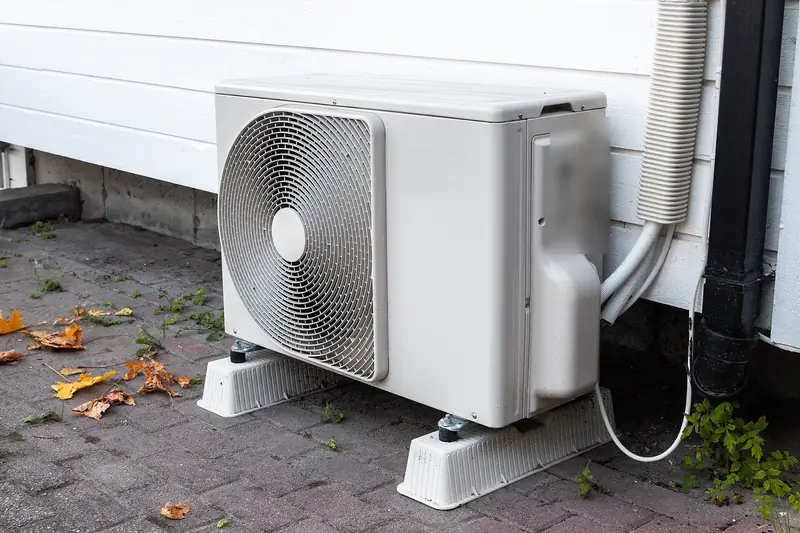
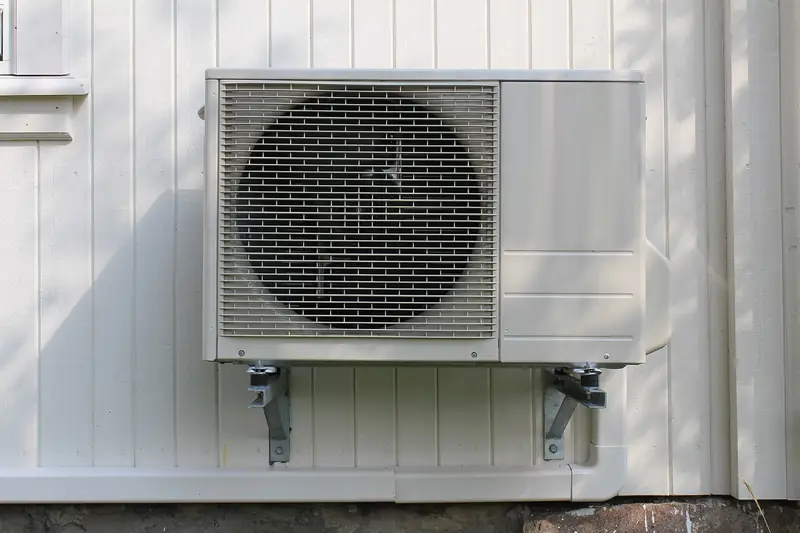
A cold-climate heat pump is worth a look, often alongside your oil or propane system rather than instead of it, but the backup rules and rebates differ by state. NEEP's cold-climate specification sets a floor of 1.75 COP at 5°F, and ENERGY STAR's cold-climate label adds at least 70% of rated capacity at 5°F compared with 47°F.
Money has changed. The IRS says the federal 25C and 25D credits ended for property placed in service, or expenditures made, after December 31, 2025. State programs remain, with their own conditions: Efficiency Maine's whole-home rebates allow the old system only as emergency backup, while Efficiency Vermont's ducted offer generally keeps the fossil system as backup. Start at switching from oil or propane and heat pump rebates by state.
What happens when the power goes out?
When the power goes out, the heat stops too: oil and propane furnaces and boilers need electricity to run, and so do heat pumps, according to NYSERDA's NYS Clean Heat page. A portable generator belongs outdoors only, at least 20 feet from the house, away from windows, doors and vents, with its exhaust pointing away; it connects to house wiring only through a transfer switch installed by a licensed electrician. The winter power outage page covers pipes, warmth and what never to use indoors.
Heating with oil and propane, by the numbers
- 50.3%Maine homes whose main heat is fuel oil, 2024 dataEIA
- 20.4%New Hampshire homes whose main heat is propane, 2024 dataEIA
- 138,500Btu per gallon, No. 2 heating oilEIA
- 91,452Btu per gallon, propaneEIA
- 4 yearsVermont's maximum interval for oil tank inspectionsVermont DEC
Scaler's notes: how this page was put together
Fill Pipe's home page draws on EIA's 2024 state energy profiles, heat content table and weekly residential price release for the week of October 26, Maine DOER's mid-October survey and its propane booklet, the NH energy department's table from that same late-October week, PERC's propane safety booklet and lesson materials, CPSC, NYSERDA, Maine DEP and Vermont DEC tank pages, NEEP and ENERGY STAR heat pump specifications, and IRS guidance, all read October 2026. Fill Pipe isn't a fuel dealer or contractor, and it doesn't average different price surveys together or predict prices.
Questions from the woodshed
Is propane or heating oil cheaper to heat with up north?
It depends on that week's prices and your equipment's efficiency. On October 26, 2026, New Hampshire's Department of Energy table showed fuel oil at $54.47 and propane at $57.07 per million Btu at 80% efficiency; your own numbers may differ.
Why does propane cost less per gallon than heating oil?
A gallon of propane holds less heat: 91,452 Btu against 138,500 for heating oil, per EIA. Compare cost per million Btu, not cost per gallon.
Does Fill Pipe sell or deliver fuel?
No. Fill Pipe isn't a fuel dealer, propane company or contractor, and it doesn't deliver, install, repair or quote anything. Your dealer, propane supplier or a licensed technician does that work.
Which states does Fill Pipe cover?
Maine, New Hampshire and Vermont, plus upstate New York. Where the rules differ, as with propane refunds, tank inspections and bioheat, each page names the state.
Can you get help paying for heating fuel?
Yes. Each state runs one: HEAP in Maine through MaineHousing, the Fuel Assistance Program in New Hampshire, Seasonal Fuel Assistance in Vermont, and HEAP in New York through OTDA, opening for 2026-27 on November 2, 2026.
What should you do after running out of propane?
Call your supplier and don't turn anything on at the tank. PERC's booklet puts the restart in a qualified professional's hands: a leak check comes first, then gas service and any pilots; see ran out of propane.
Is there still a federal tax credit for a 2026 heat pump?
No. The IRS says 25C ended for property placed in service after December 31, 2025, and 25D for expenditures after that date. State and utility rebates are the remaining help.
Good places to start